
Music Therapy
“Music can name the unnameable and communicate the unknowable.”
Leonard Bernstein
At a Glance
Music therapy is a well-established, evidence-based profession in which music is used to accomplish therapeutic and educational goals. It is provided by a credentialed music therapist and can be implemented to address cognitive, academic, motor, social, and emotional goals. The process begins with an assessment by the provider of the client or clients’ responses, strengths, and needs. Treatment continues with a therapy schedule that works for the client, caregiver or staff, and therapist.
Music therapy serves all ages and abilities with uniquely tailored interventions designed to meet the person where they are and guide them forward on their growth journey. No prior musical experience is required to successfully participate!


Individual Sessions
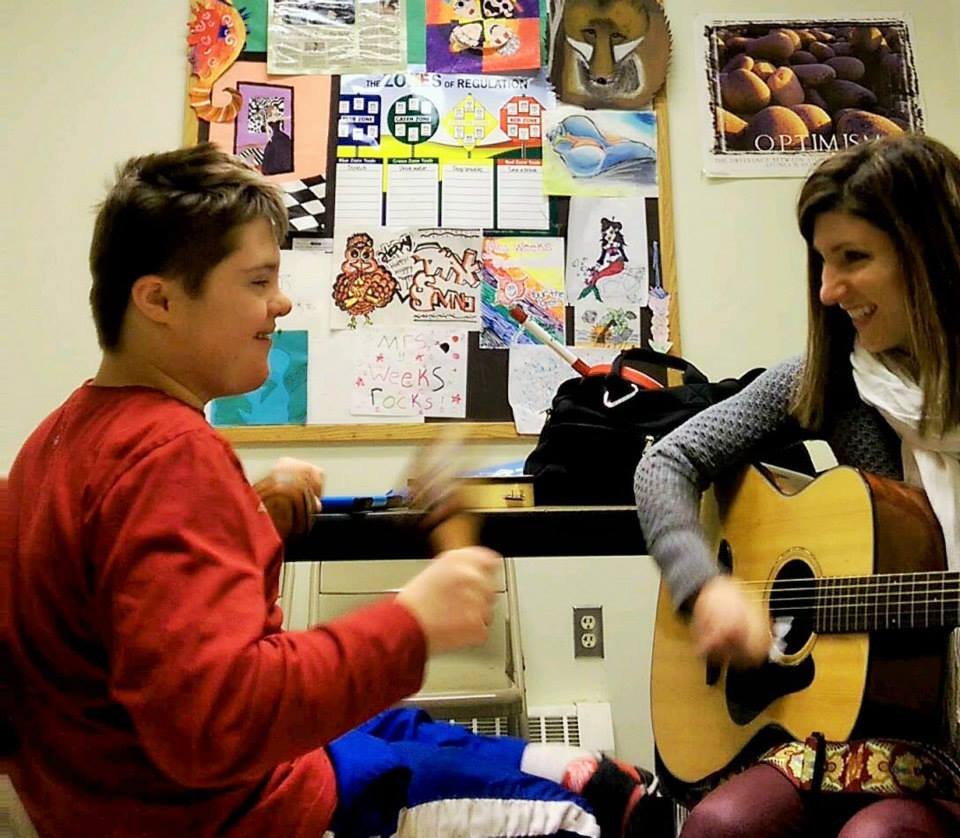
Our music therapists offer one-to-one sessions with clients in homes and community or clinical centers. We work to build a supportive relationship in music that equips and empowers them to reach their goals for growth, recovery, or overall wellness. Candidates for individual music therapy might seek support for any of the following goals:
Improve or preserve gross or fine motor movement
Improve or preserve memory skills
Improve expressive and receptive communication abilities
Improve self-awareness and self-esteem
Improve emotion identification
Increase physical strength and coordination
Increase creative expression
Develop coping strategies
Process life events and transitions
Refine speech and language skills
Reach pre-academic or academic goals
Decrease anxiety and depression
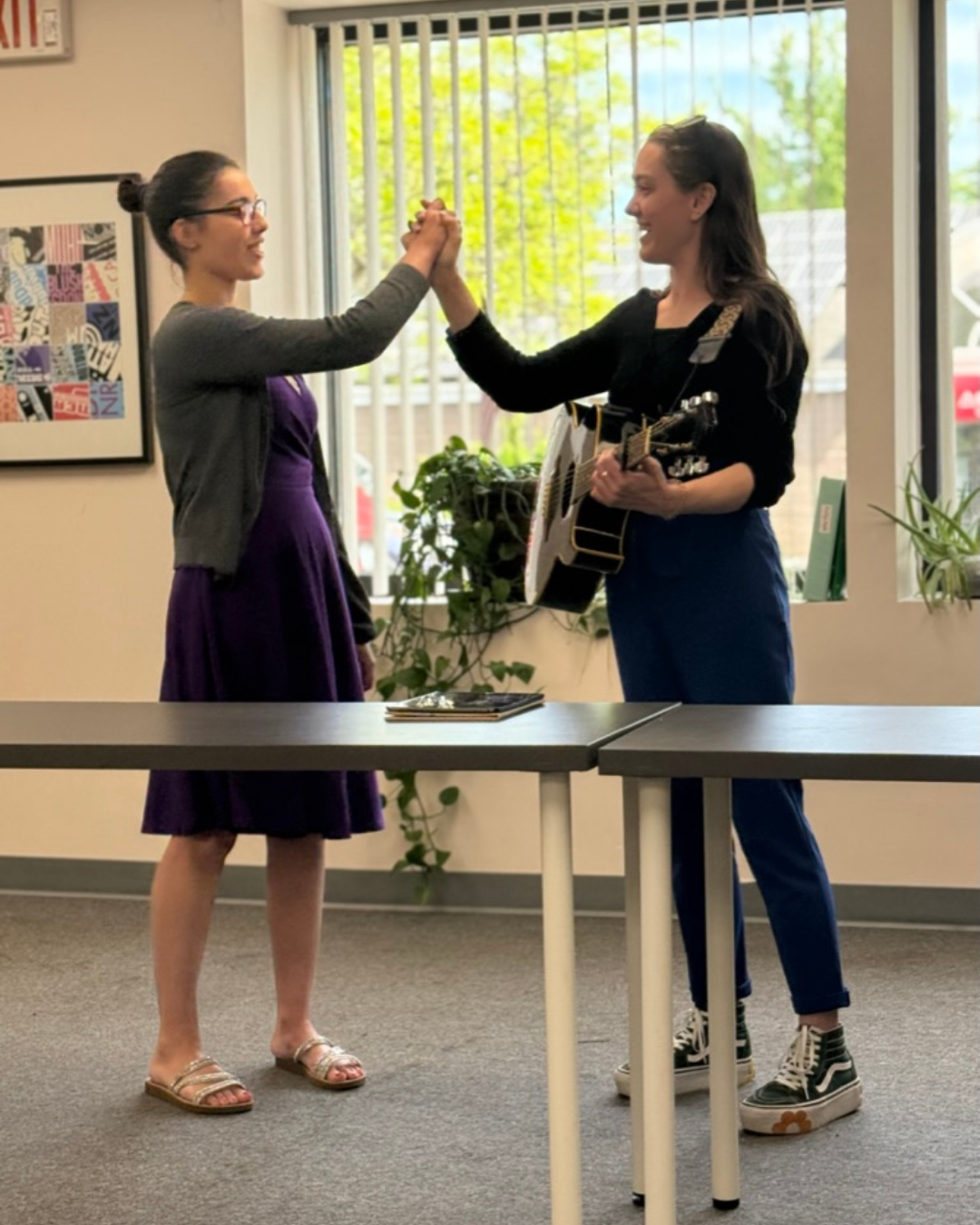
Group Sessions
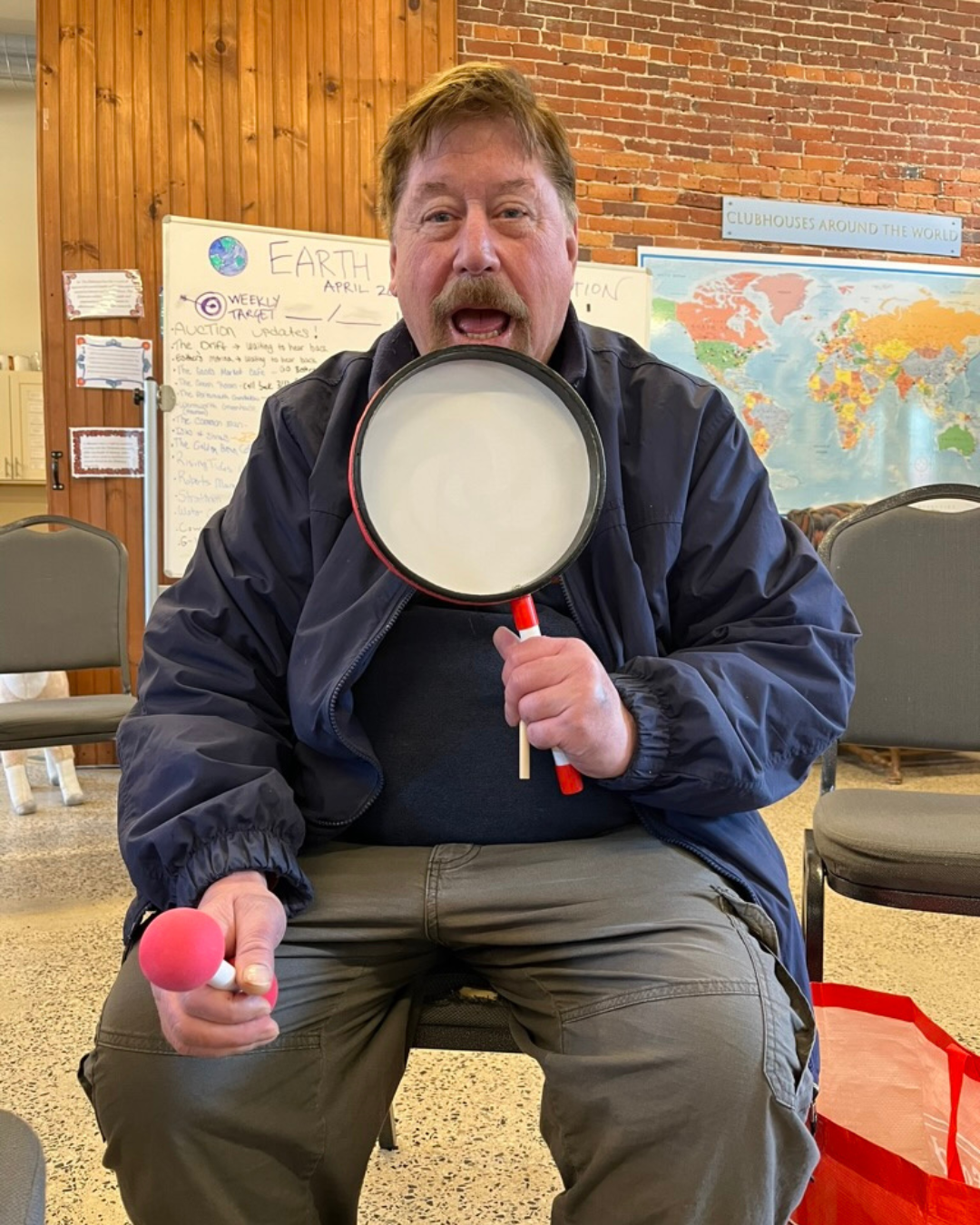
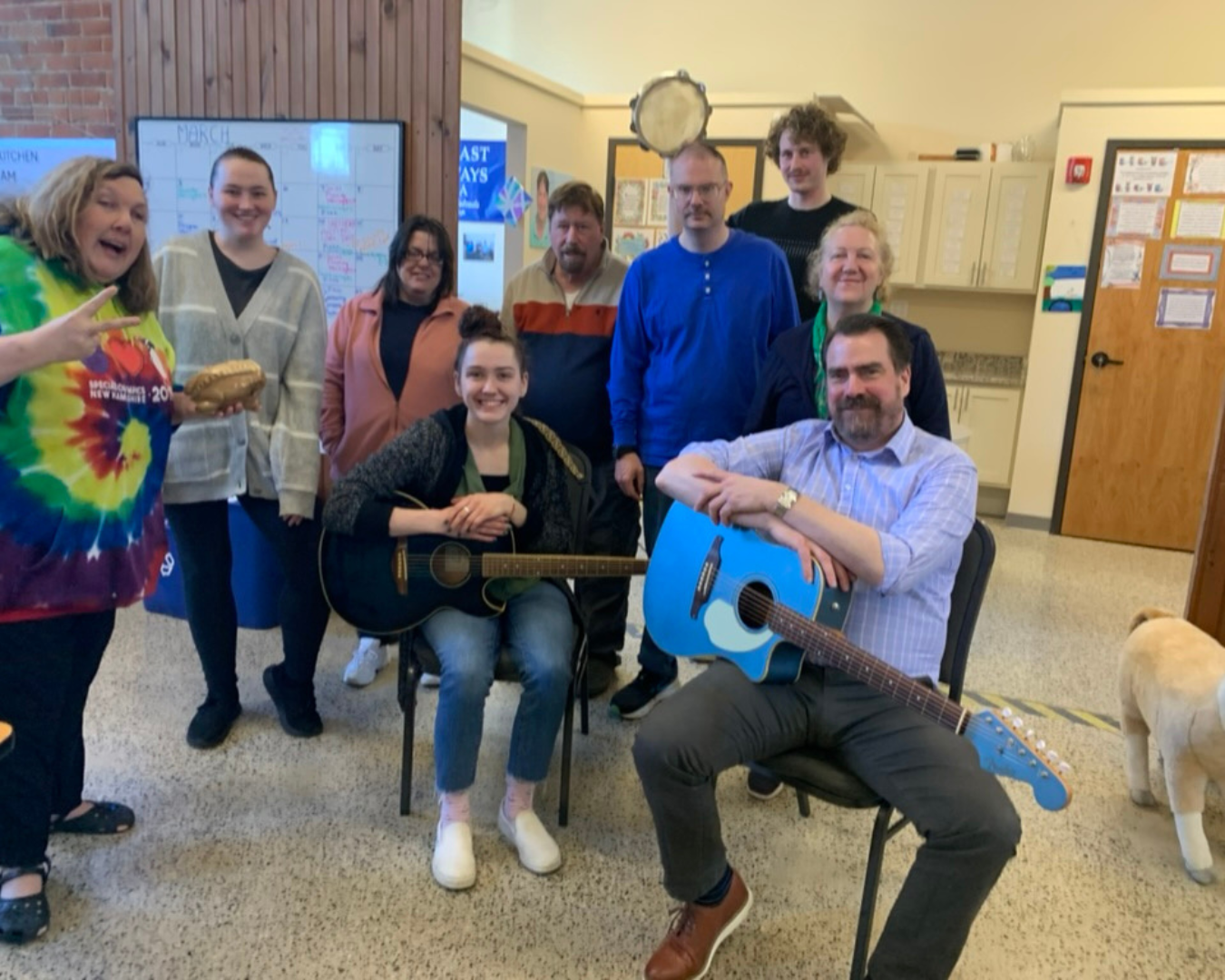
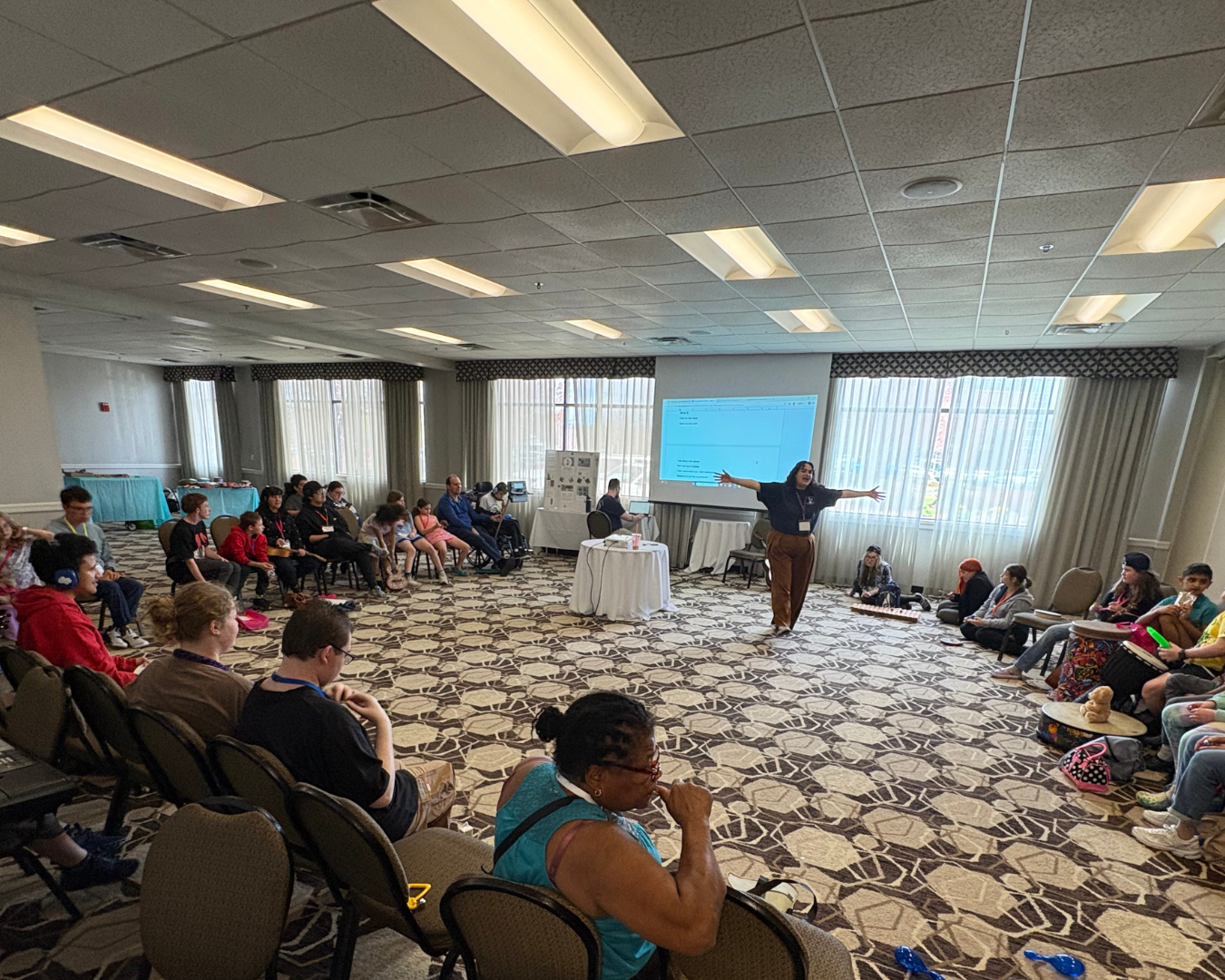
Our music therapists offer group sessions in a wide variety of settings. Some of these include schools, day programs, nursing homes, community centers, and specialized special needs programs. Candidates for group music therapy might seek support for any of the goals listed above for individual therapy with the addition of the following emphases:
Increase confidence in social interactions
Increase awareness of self in relation to others
Increase feelings of camaraderie and support
Develop appropriate social connections and strategies
Decrease feelings of isolation
Music therapy with…
Autism
Research supports connections between speech and singing, rhythm and motor behavior, memory for song and memory for academic material, and overall ability of preferred music to enhance mood, attention, and behavior to optimize the student’s ability to learn and interact.
Mental Health
Music therapy allows persons with mental health needs to: explore personal feelings, make positive changes in mood and emotional states, have a sense of control over life through successful experiences, practice problem solving, and resolve conflicts leading to stronger family and peer relationships.
Medical Settings
Music therapy can be used to address patient needs related to respiration, chronic pain, physical rehabilitation, diabetes, headaches, cardiac conditions, surgery, and obstetrics, among others. Research results and clinical experiences attest to the viability of music therapy even in those patients resistant to other treatment approaches.
Special Education
Music therapy is considered a related service under the Individuals with Disabilities Education Act (IDEA). When music therapy is deemed necessary to assist a child in their special education, goals are documented on the Individualized Education Program (IEP) as a related service intervention.
Memory & Elder Care
Music therapy treatment is efficacious and valid with older persons who have functional deficits in physical, psychological, cognitive, or social functioning. Research results and clinical experiences attest to the viability of music therapy even in those who are resistive to other treatment approaches.
Young Children
With young children, music therapy provides a unique variety of musical experiences in an intentional and developmentally appropriate manner to effect changes in a child’s behavior and facilitate development of their communication, social/emotional, sensori-motor, and/or cognitive skills.
(American Music Therapy Association)
Fact Sheets
The AMTA has a number of population-specific fact sheets that are a valuable resource to families and facilities looking into services.
Follow the link below to browse their resources!
FAQs
-
Our music therapists travel to clients and often offer sessions in your home, facility, or community-based setting. Virtual sessions are also available!
-
In short, it depends on the therapist’s musical style and the client’s strengths and needs as they meet together in the session. Cognitive, academic, motor, emotional, and social goals can be addressed in a rich musical environment. Musical experiences include but are not limited to: instrument play, singing, improvising, songwriting, lyric analysis, listening, music relaxation, and movement to music.
-
Yes! Our team meets with clients virtually or in-person depending upon availability, comfort level, and unique needs of the individual.
-
Our therapists travel with equipment often including instruments, necessary technology, etc. Just bring yourself and whatever else feels meaningful or helpful for the experience. Otherwise, we’ve got it covered.
-
We are unable to bill insurance directly. However, we often aid families by providing resources and documentation to support their pursuit of reimbursement or alternate funding.
Click through the links for funding to learn more! Contact us with further questions and we will be happy to assist you in any way we can.
A prescription can be made for music therapy by a primary care provider or psychiatrist.
When music therapy is listed on an IEP, sessions are covered by the school district.
This podcast is a helpful resource for parents pursuing music therapy on an IEP. Parent information for music therapy and the IEP. AMTA's Director of Government Relations, Judy Simpson, MT-BC, walks parents through the process of requesting the inclusion of music therapy on their child's IEP. Typically this is brought up to the students' case manager in the school district and the team works with the family to decide if this is a good fit educationally.
Grants you may be eligible for are listed below. Some are specific to state or diagnosis, others are more general.
“Kate’s Voice” non-profit.
“Raising The Blues” non-profit.
Williams Syndrome Association financial aid and scholarships.
For families and individuals with Williams Syndrome.
The “JT Fortin Foundation for Autism” charity organization.
“Music Drives Us” music foundation with grants available.
“Annie’s Angels Memorial Fund.”
For NH families facing life threatening disease, illness, or disability.
“Harry Allen Gregg Foundation.”
For NH residents with disabilities.
Massachusetts Cultural Council.
Each town in MA has its own council to distribute funds for arts and culture in their community. To contact your local council, visit here.
-
Invoices are sent to your email on the 10th of every month. They can then be paid by a mailed check, credit card (with convenience fee), or free ACH transfer.
-
Yes we do! We enjoy the opportunity to share our knowledge and passion for the field. We have presented at various events, teacher workshops, and conferences over the years.
-
Yes, we strive to provide quality learning experiences for music therapy students and non-music therapy students looking to deepen their knowledge of the craft.